
All about spices and Herbs
A spice and herb guide by Passion for Spices
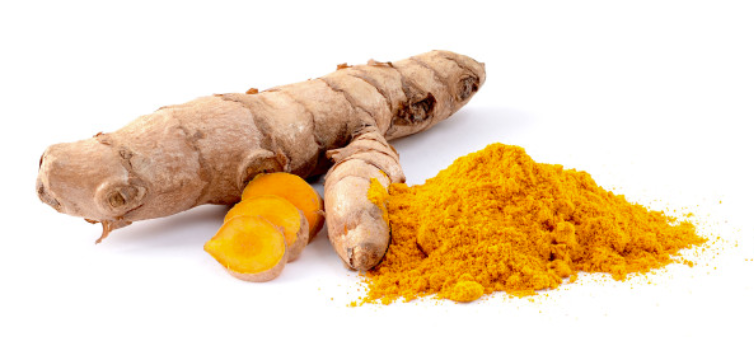
1| Turmeric
Description: Turmeric is a member of the ginger family and comes from the underground rhizomes of the turmeric plant.
Health Benefits: Turmeric contains curcumin, which is believed to have anti-inflammatory and antioxidant properties. Antioxidants have been found to reduce, potentially even prevent, some of the damage to the body’s cells caused by free radicals.
Origin: Native to the Indian subcontinent
More Information: Turmeric Benefits | Johns Hopkins Medicine
2| Peppercorns (Black & Red)
Description: Peppercorns are berries that grown on a climbing vine of the Piperaceae family. Once picked, these berries shrivel and resemble the peppercorns we are familiar with. Whole dried peppercorns have a harsh, cutting flavor due to volatile oils, however this flavor dissipates once the peppercorns are ground. Often used to give dishes that extra bite, black peppercorns are the most widely used spiced today, the Malabar variety being the most popular in India.
Health Benefits: Pepper helps with indigestion and has a wide variety of vitamins, including potassium and magnesium. According to research, when eaten with turmeric, black pepper and all of its health benefits are better absorbed.
Origin: Native to southern India and the Americas.
More Information: See Dr. Weil's website on pepper.
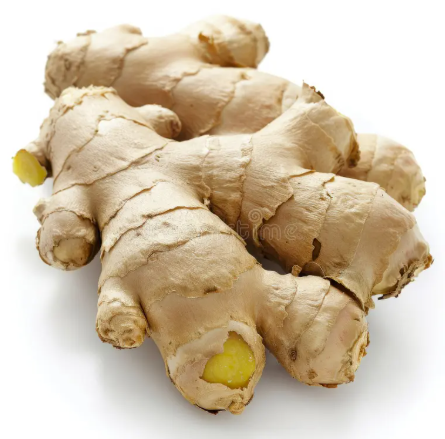
3| ginger
Description: Ginger is a tropical, perennial plant known for its aromatic rhizome. It is used as a spice and in traditional medicine.
Health Benefits: Gingerol, a natural component of the ginger root, helps with nausea relief and digestive health. It also has anti-inflammatory properties and can improve heart health by lowering cholesterol levels and improving circulation.
Origin: Native to Southeast Asia
More Information: Ginger Benefits | Johns Hopkins Medicine
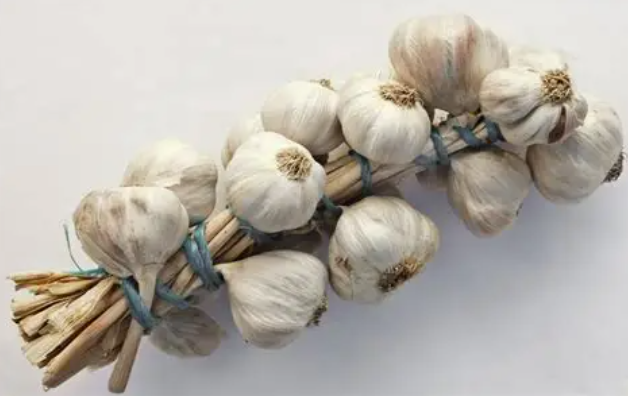
4| garlic
Description: Garlic is a perennial bulbous plant known for its flavor and its culinary and medicinal uses.
Health Benefits: Garlic can help with high blood pressure, high cholesterol, and diabetes.
Origin: Native to Central and Western Asia
More Information: Garlic: Usefulness and Safety | NCCIH
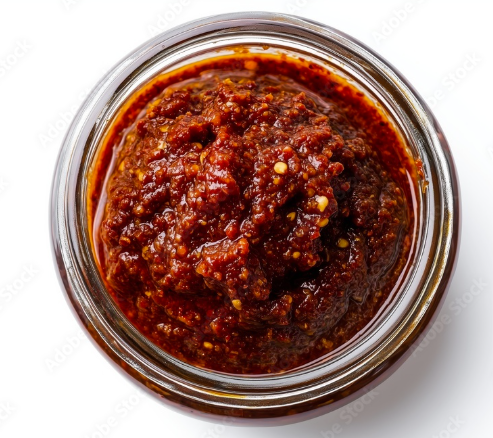
5| gochujang
Description: Gochujang is a fermented Korean chili paste made from red chili powder, glutinous rice, and fermented soybeans.
Health Benefits: The fermentation of the gochujang produces probiotics that support gut health. It also supports metabolism.
Origin: Native to Korea
More Information: Why Eat Fermented Foods? | Nutrition Stanford Medicine
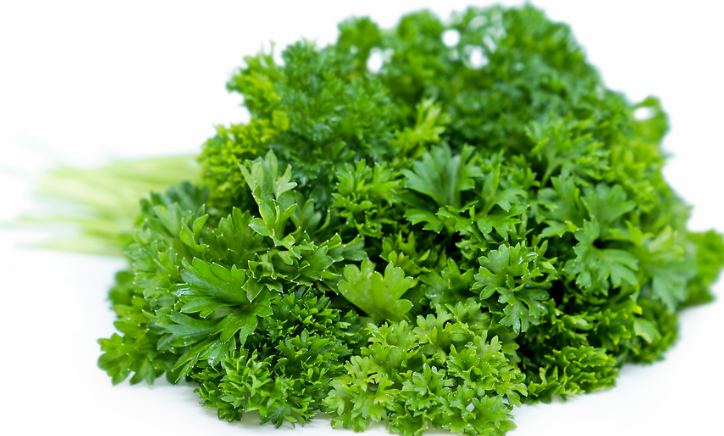
6| parsley
Description: Parsley is a biennial herb used to flavor and garnish foods. It is also widely used in traditional and herbal medicine.
Health Benefits: Parsley is rich in nutrients and has antioxidant and anti-inflammatory properties.
Origin: Native to the Mediterranean
More Information: Parsley | Description, Uses, & Facts | Britannica
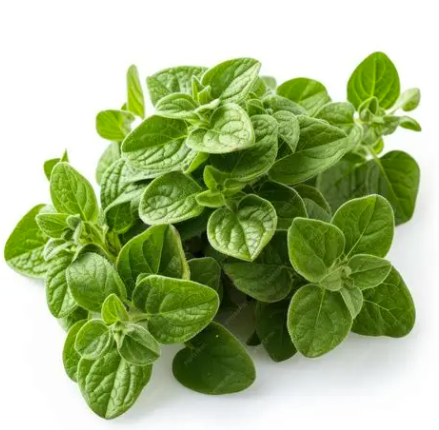
7| Oregano
Description: Oregano is an aromatic perennial herb in the mint family. It is widely used to season many foods and for its medicinal benefits.
Health Benefits: Oregano has digestive benefits and has anti-inflammatory properties. It is also rich in antioxidants.
Origin: Native to the Mediterranean and Western Asia
More Information: Oregano | Description, History, Uses, & Facts | Britannica
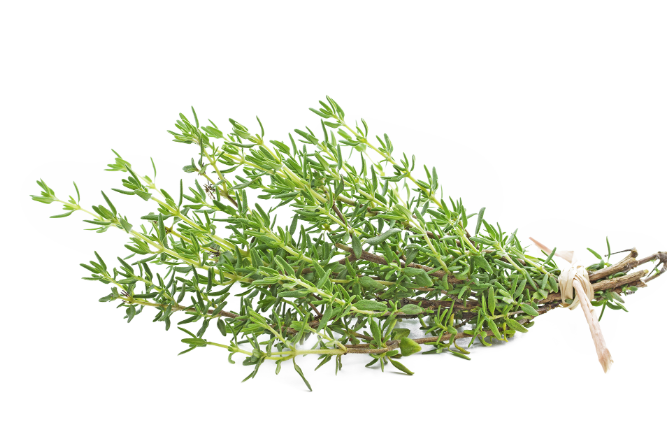
8| thyme
Description: Thyme is a perennial herb of the mint family. It is known for the flavor and aroma of its dry leaves.
Health Benefits: Thyme has antioxidant and anti-inflammatory properties that can help with digestive and respiratory health.
Origin: Native to Europe and Asia
More Information: Thyme | Description, Uses, & Chemical Composition | Britannica
9| Cinnamon
Description: Sweet and warm in taste, cinnamon is the inner bark of a tropical evergreen tree. There are a lot of different varieties of cinnamon, the two main ones being Cinnamomum cassia and Ceylon Cinnamon, which is sweeter and more delicate than cassia. Ground cinnamon is often used to flavor sweet or savory dishes, while cinnamon bark is used to decorate as well as flavor food.
Health Benefits: Studies show that cinnamon may reduce blood sugar, cholesterol, triglyceride levels in diabetic patients. Cinnamon is also used to balance digestion and stomach disorders.
Origin: Native to Sri Lanka, Southwest India, and the hills of Burma.
More Information: See Dr. Weil's video on cinnamon
10| May's Keralan Curry
Description: Our Keralan Curry is a traditional spice blend which has the perfect blend of earthy flavors with a mildly spice hint. Some of the principal spices include turmeric, black pepper, coriander, smoked paprika, and more.
Health Benefits: Our rich use of spices ensures that our curry has multiple health benefits, some of which include anti-oxidants, anti-inflammatory, and indigestion relief.
Origin: While our spices mainly come from India, our curry is made up spices from all over the world. We've searched the globe to bring you the freshest, highest quality spices available in our blend, which is both organic and kosher.
More Information: Make May's Keralan Curry an essential part of your spice cabinet by clicking here.
11| Whole Cloves
Description: Having a strong, pungent aroma and taste, Cloves are dried, unopened flower buds of a tropical evergreen tree. Cloves are used in sweet and savory dishes, and they are used in our Garam Masala.
Health Benefits: In olden times, cloves were used to relieve toothaches. In Indian Ayurveda, cloves are believes to alleviate stomach ulcers, indigestion.
Origin: Found in spice islands of Indonesia, India, West Indies, Sri Lanka, and tropical parts of Africa.
More Information:
12| Green Cardamom
Description: Cardamom is the seed of a the tropical plant Elettaria cardamomum and belongs to the ginger family. It is used either crushed or ground and has a pleasant but pungent flavor and aroma, thus it should be used sparingly.
Health Benefits: Cardamom is considered to be a digestive aid
Origin: Native to the mountain regions of Sri Lanka, Thailand, Guatemala, and India.
13| Vanilla Bean
Description: There are about 100 varieties of vanilla, which is a member of the orchid genus, the most important being V. planifolia. The beans are long capsules that hang in clusters from the flower, and it is only when cured that they give their true vanilla flavor. Vanilla extract and bean is most often used in baking or sweet dishes.
Health Benefits: The Aztecs believed that vanilla could treat intestinal gas and fever.
Origin: Indigenous to the southeast of Mexico and parts of Central America, thanks to the well-drained soils from the surrounding tropical vegetation.
More Information: Be wary of artificial or imitation vanilla, which is made from the waste sulphite liqueur of paper mills, coal tar extracts, or eugenol. See Dr. Weil's website on cooking with vanilla.
14| Cumin
Description: Cumin are seeds which grow on an herb of the parsley family called cuminum cyminum. They have a strong, slightly bitter aromatic flavor which emerges when roasted or added to hot oil. It is a principal ingredient in Indian spice mixtures.
Health Benefits: Cumin is often used as a cough-suppressing agent and is great for digestion.
Origin: Found in India, Iran, Indonesia, China, and the South Mediterranean.
More Information: See Dr. Weil's websites on cooking with cumin.
15| Mace
Description: Unknown to most, nutmeg comes with a second spice; mace. Fragile and spindly, mace is the net-like covering, or aril, that is wrapped around the pit of a nutmeg fruit, which comes from trees of the Myristicaceae family. With its delicate flavor and fresh, bright red hue, mace is used to flavor bright dishes and surrender its saffron-like hue.
Health Benefits: Mace is used to treat indigestion and to relieve some joint pain, and it also can be a breath freshener.
Origin: Native to the Spice Islands of Indonesia.
More Information:
16| Whole Nutmeg
Description: Nutmegs are the dried kernel of the nutmeg fruit which comes from evergreen trees of the Myristicaceae family. They are typically grounded for culinary usage, and their sweet, delicate flavor makes them a go-to spice for desserts and pastries.
Health Benefits: Nutmeg has anti-inflammatory properties and helps with indigestion and bad breath.
Origin: Native to the Spice Islands of Indonesia.
More Information: See Dr. Weil's website on nutmeg.
17| Red Chili Pod
Description: Chilies are the fruits of plants belonging to the Capsicum genus. The "hotness" that comes from eating chilies is due to chemicals within the pod, known as capsaicinoids. There are many varieties of chilies, ranging from color to intensity. One of the hottest chilies, Bhut jolokia, comes from India. It goes without saying that chilies are used to give instant heat to any dish.
Health Benefits: Red chili peppers are natural pain relievers, particularly with congestion. They also boost immunity and have a lot of cardiovascular benefits.
Origin: Native to the Americas, but may also be found in India today.
More Information: See Dr. Weil's website on cayenne peppers, a type of chili.
18| Nigella Seeds
Description: These beautiful onyx seeds come from the annual flowering, fruit-bearing plants of the Nigella genus. Within the fruit are numerous seeds. The seeds have a slight peppery, bitter, onion-like taste. Nigella seeds are commonly used to flavor curries and to replace peppercorns. It is widely used in India for the spice mixture panch phoron, Bengali cuisine, and in naan.
Health Benefits:
Origin: Native to south and southwest Asia.
More Information:
19| Star Anise
Description: Not to be confused with the anise flower, star anise, or Illicium verum, is the fruit of an oriental magnolia tree. The fruit is picked before ripening and dried. Star anise may be used either as a whole pod or ground, and it has a strong bittersweet, licorice-like flavor.
Health Benefits: Star anise is used as an indigestion remedy and as breath freshener.
Origin: Native to southwestern China and Vietnam
More Information: See the epicentre's website on star anise.
20| May's Kashmiri Garam Masala
Description:
Health Benefits:
Origin:
More Information: Make May's Kashmiri Garam Masal an essential part of your spice cabinet by clicking here.